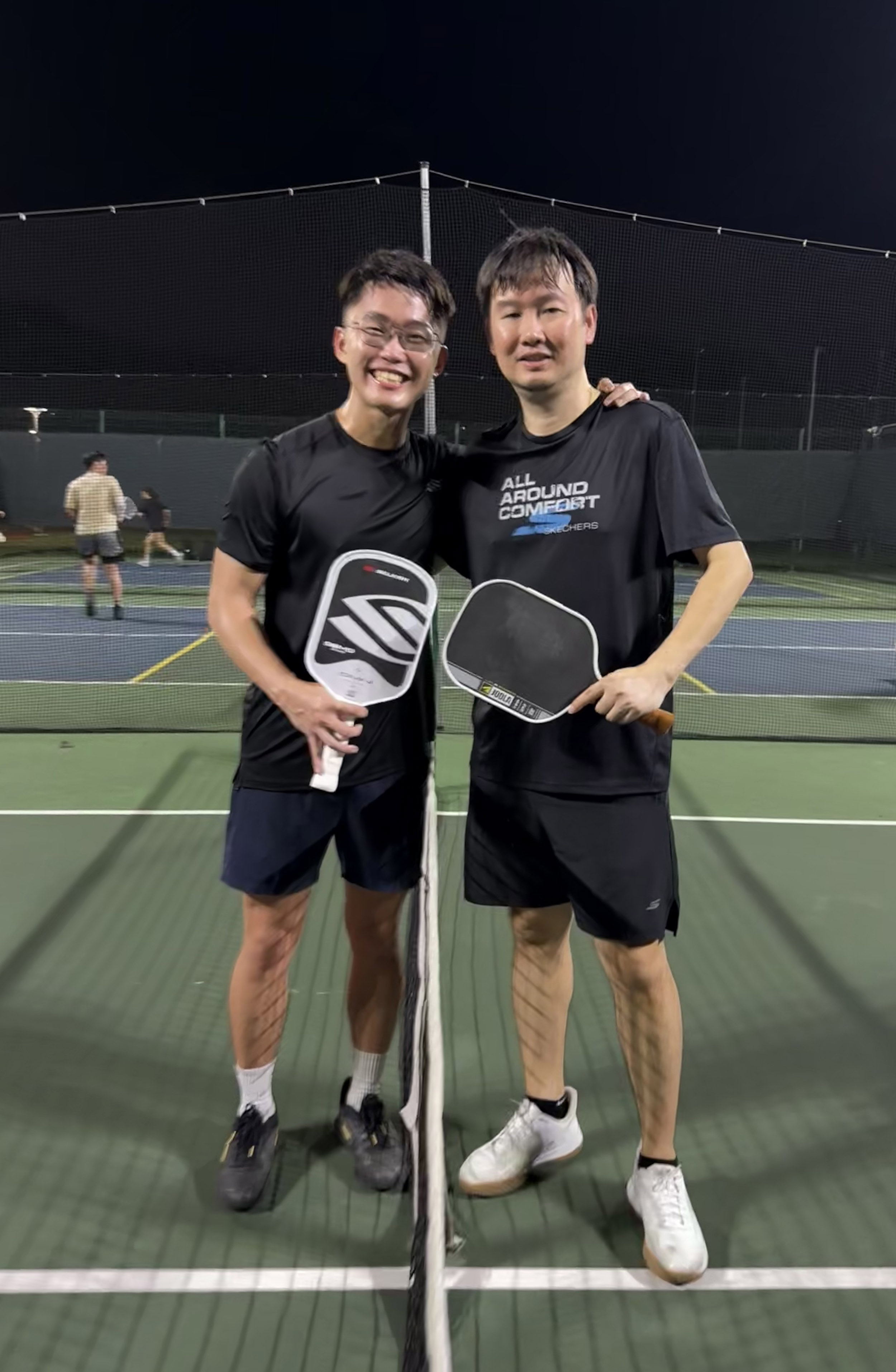
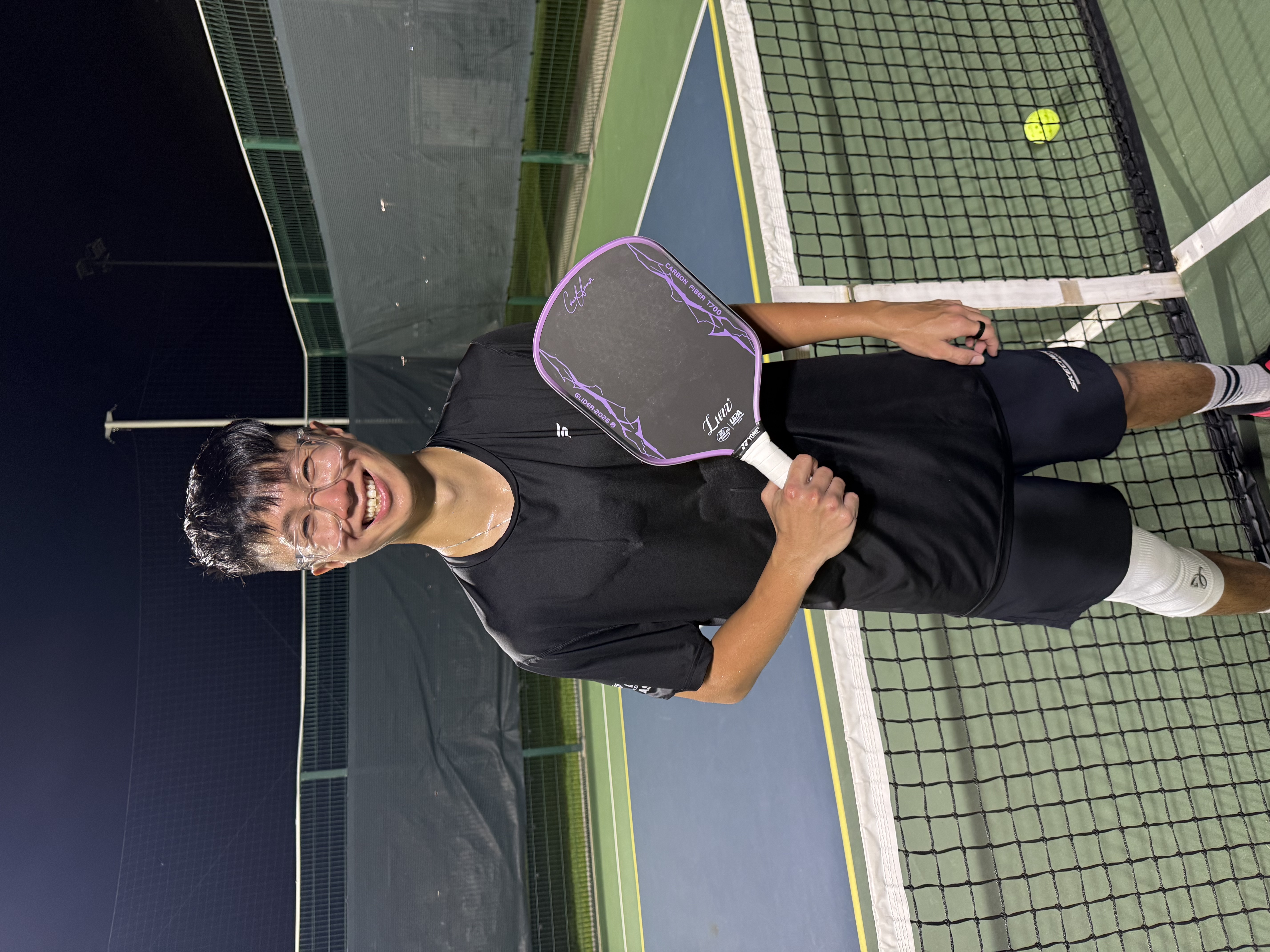
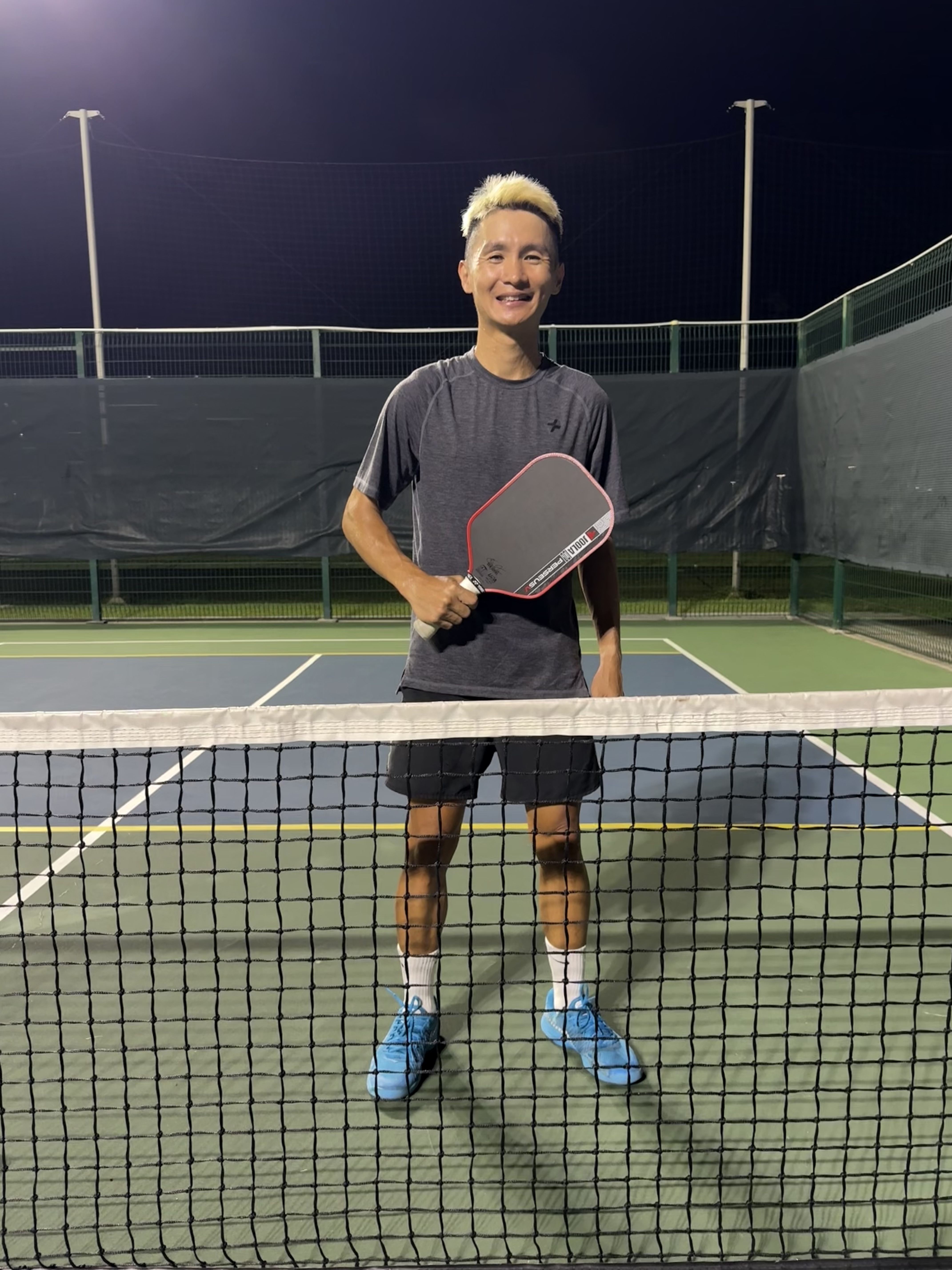
Q1) How does team training for a competition like Pesta Sukan differ from individual training for a competition?
Boon Chia: For individual training, we focus more on improving our own games such as technique, shots selection, fitness and mental preparation. For team training, it’s quite different coz we must train based on the games format set by the organizers…strategy and pairings have to be adjusted accordingly. Moreover, we are all used to playing outdoors and PS is held indoors on wood flooring and indoor balls. So we got all team members to train at indoor venues.
Q2) What is the team's priority (strategy, pairings, consistency etc) and why?
Boon Chia: Top priority is always a team-oriented approach where we try to get everyone to participate and compete as a team, so everyone is involved. Second will be strategy where we try and fit everyone based on the game format, and from there we work on pairings.
Show More ↓
Q1) How does team training for a competition like Pesta Sukan differ from individual training for a competition?
Boon Chia: For individual training, we focus more on improving our own games such as technique, shots selection, fitness and mental preparation. For team training, it’s quite different coz we must train based on the games format set by the organizers…strategy and pairings have to be adjusted accordingly. Moreover, we are all used to playing outdoors and PS is held indoors on wood flooring and indoor balls. So we got all team members to train at indoor venues.
Q2) What is the team's priority (strategy, pairings, consistency etc) and why?
Boon Chia: Top priority is always a team-oriented approach where we try to get everyone to participate and compete as a team, so everyone is involved. Second will be strategy where we try and fit everyone based on the game format, and from there we work on pairings.
Q3) What are you doing as an individual member of the team to balance competitiveness with team camaraderie?
Boon Chia: We compete hard during training to improve, but after the rallies end, we compliment and encourage each other. We also share our observations and discuss what can be improved post games.
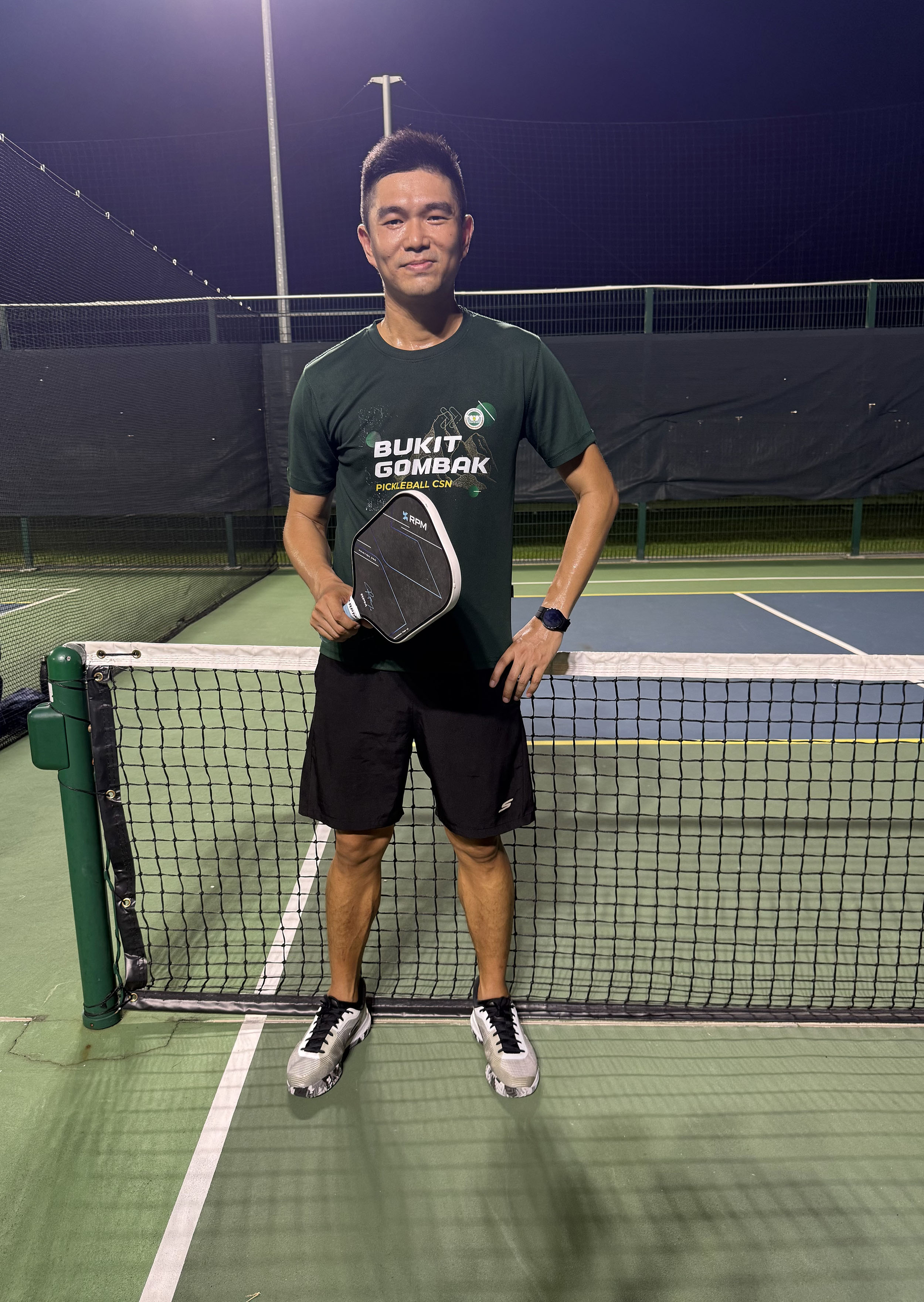
Boon Chia, one of SG's top-ranked players
Darryl (Captain): For me, healthy competitiveness is a fantastic driver for individual growth and team development. The key is ensuring it never crosses into friction or tension. I try to lead by example during our training sessions and social games by keeping the energy highly competitive yet explicitly supportive. When we compete, we are pushing each other to test our skills and improve, but the moment the game ends, the focus immediately shifts back to camaraderie and mutual respect.
Q4) Are you using AI (or any other data gathering) to track individual or team performance and see what can be improved?
Darryl: As a team, we do not leverage AI tools. On a personal level, I’ve integrated Gemini into my own routine to design customized physical training plans and targeted technical drills. After each session, I input highly detailed feedback regarding my execution and how specific shots felt. From there, I treat the AI's recommendations as a starting point, carefully evaluating the suggestions for realism and factual accuracy before integrating the best insights into my training.
Captain Darryl & CS
Q5) What was the main injury concern in the runup to Pesta Sukan?
Ryan: The main injury concern was ‘overuse injuries’ and accidental injuries. As many of us are balancing Pickleball trainings with work/studies, it’s easy to develop overuse injuries and other accidental injuries as we might be tired and neglect/compensate on our safety.
In terms of our physical and mental well-being, it’s really a team effort. We all put in effort to look out for each other. Physically, we check up on each other and make sure we’re not pushing through any unnecessary injuries, and that we are recovering well. Mentally, we support each other by keeping the training environment very positive and safe. Having teammates to talk to in a safe space is an important step to helping each other feel their best and most confident. (Ryan is SG’s first player picked by PPA under their trailblazer programme)
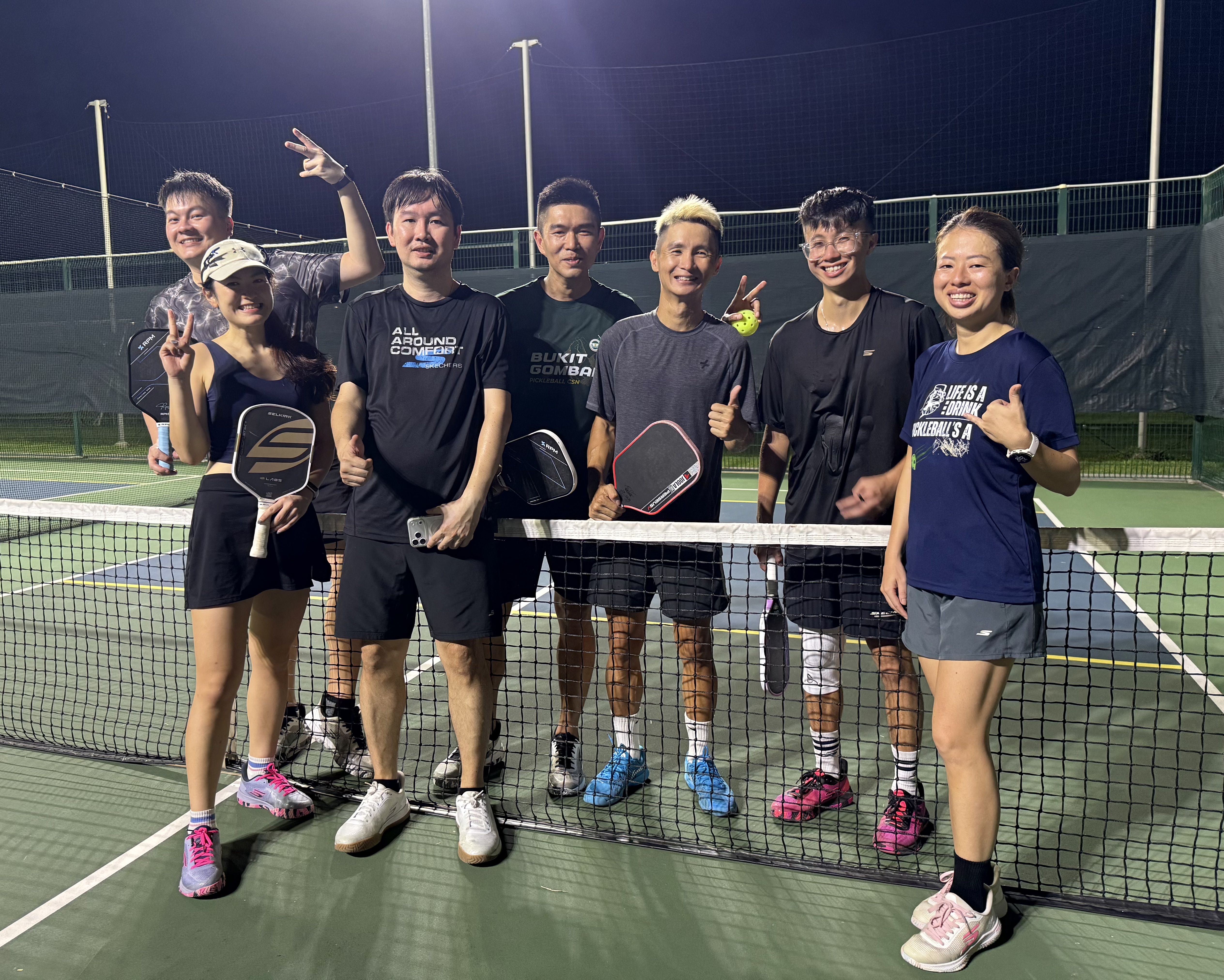
Chun, Amanda, Chee Seng, Boon Chia, Kelvin, Ryan, Adalia
Q6) We understand that your team has a formidable reputation in SG with some top players. What are your expectations for the team’s performance and personal goals during Pesta Sukan?
Darryl: Given our team's history of success, our expectation is always to contend for the podium and defend that reputation. However, the rapid growth of Pickleball in SG means the level of competition has risen significantly, which is incredibly exciting to see. This shifting landscape has pushed us to become even more disciplined and intentional during training. Instead of breeding complacency, the tougher competition acts as a powerful motivator for our continuous improvement. Ultimately, we want to win, but we are equally proud to be part of such a thriving, fast-evolving local community.
Lauren: Expectations can sometimes create unnecessary pressure, so we’re trying to keep our focus on the process rather than the outcome. We have a group of experienced players who trust one another, and our goal is to bring that chemistry onto the court. If we communicate well, play with intensity, and support each other through the ups and downs of a tournament, we’ll be happy regardless of where we finish.
Show Less ↑